Thinking is for humans. What’s for AI?
01 analyse
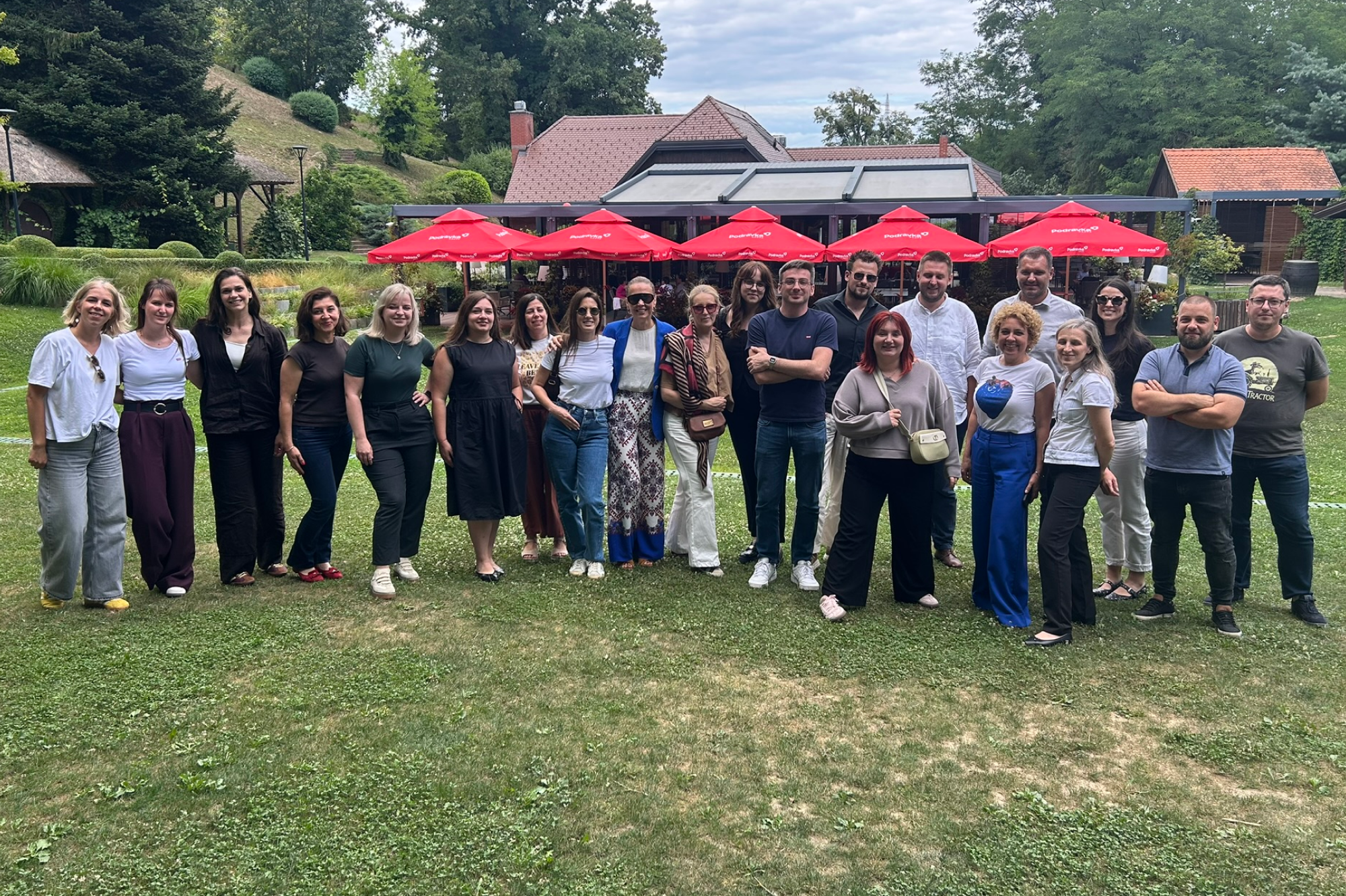
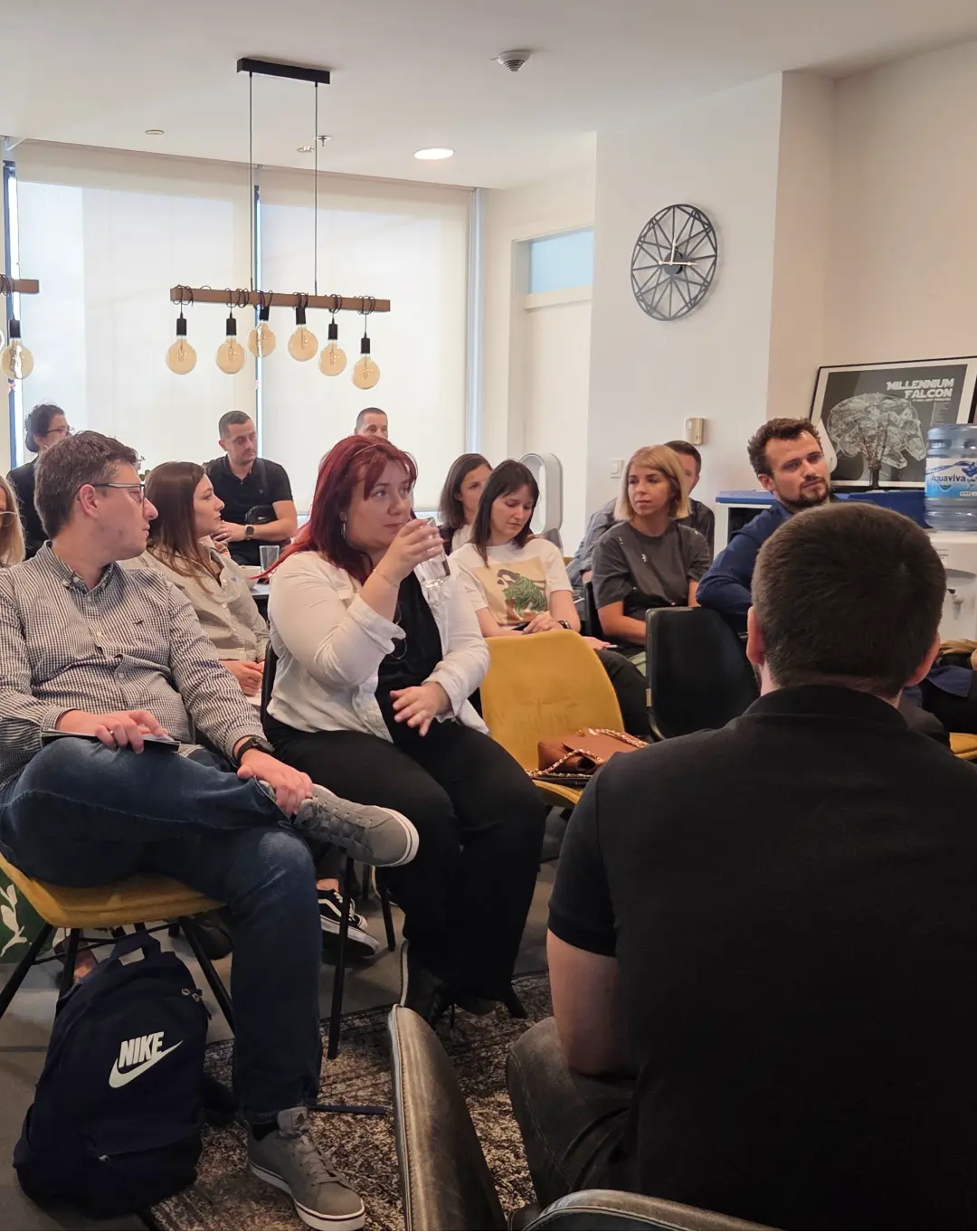
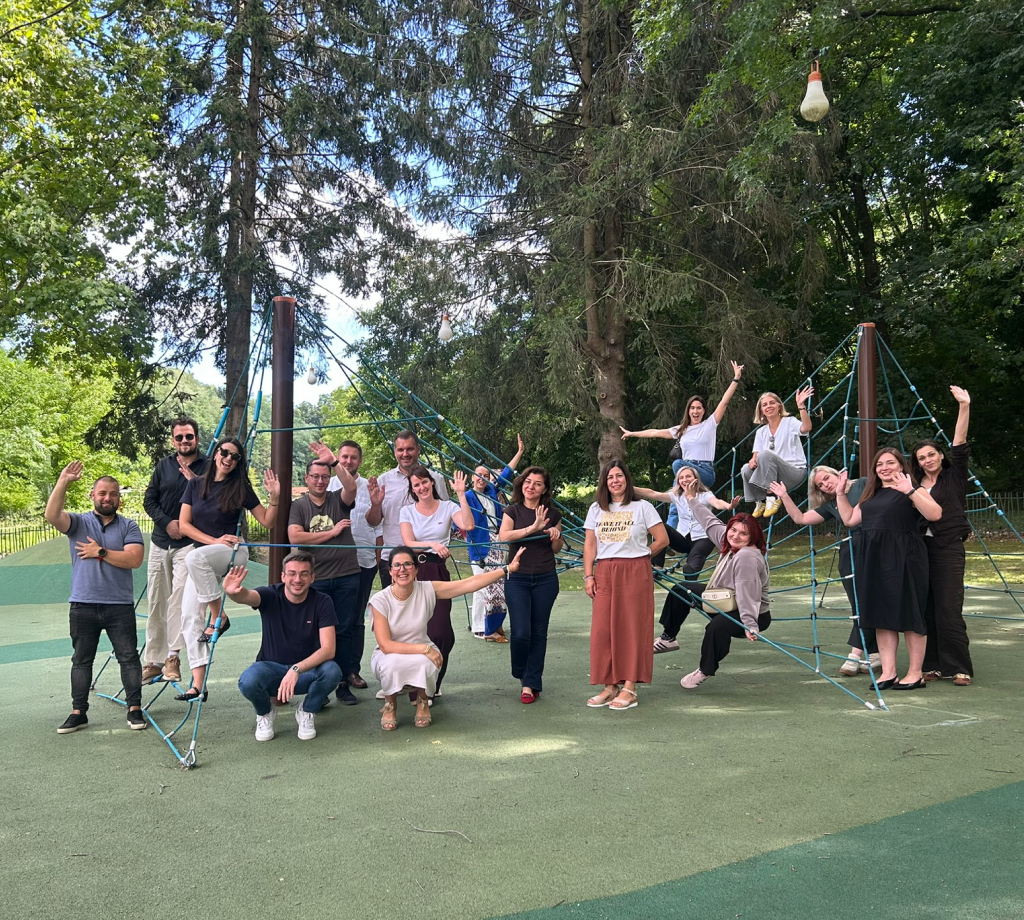
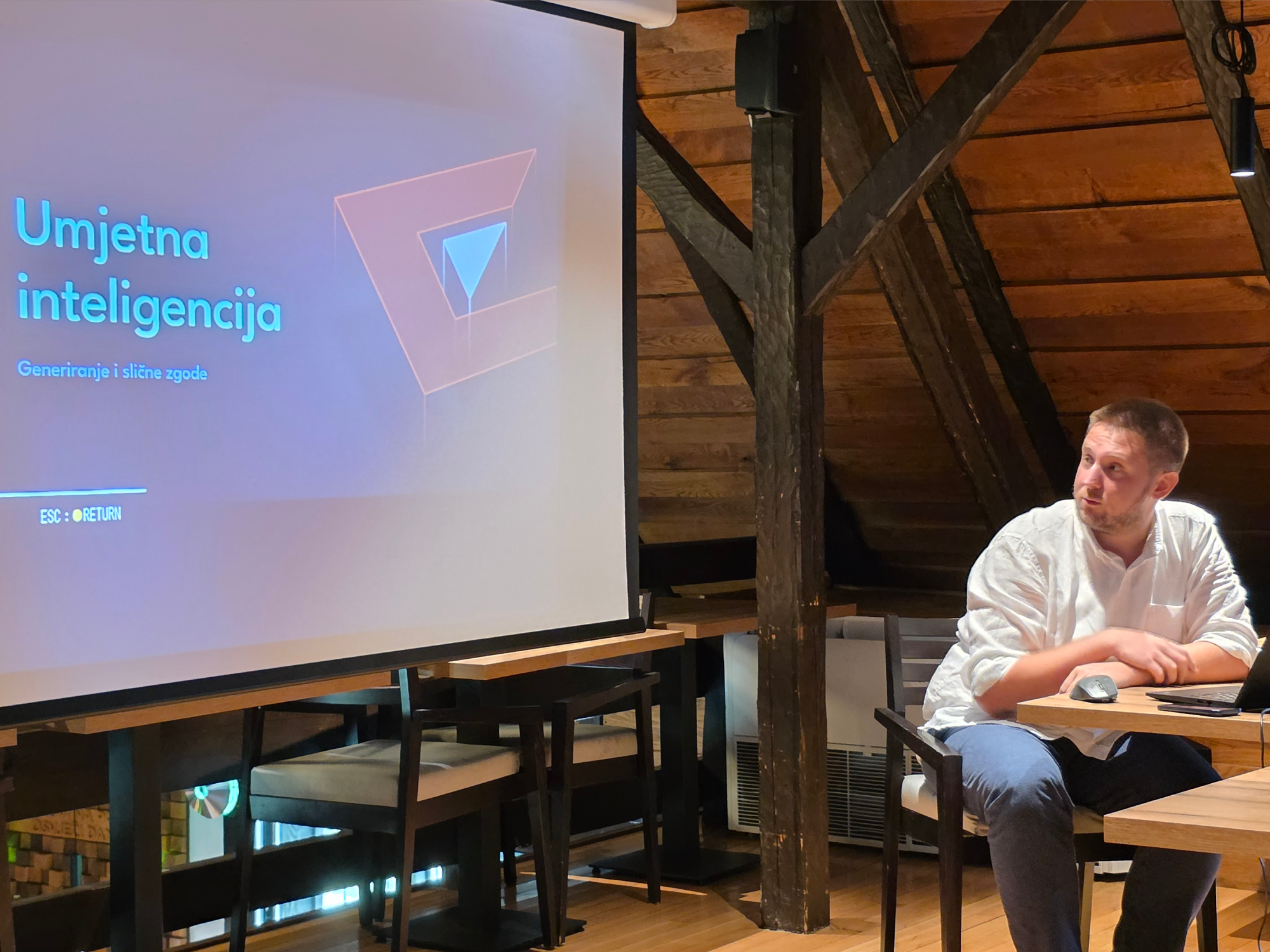
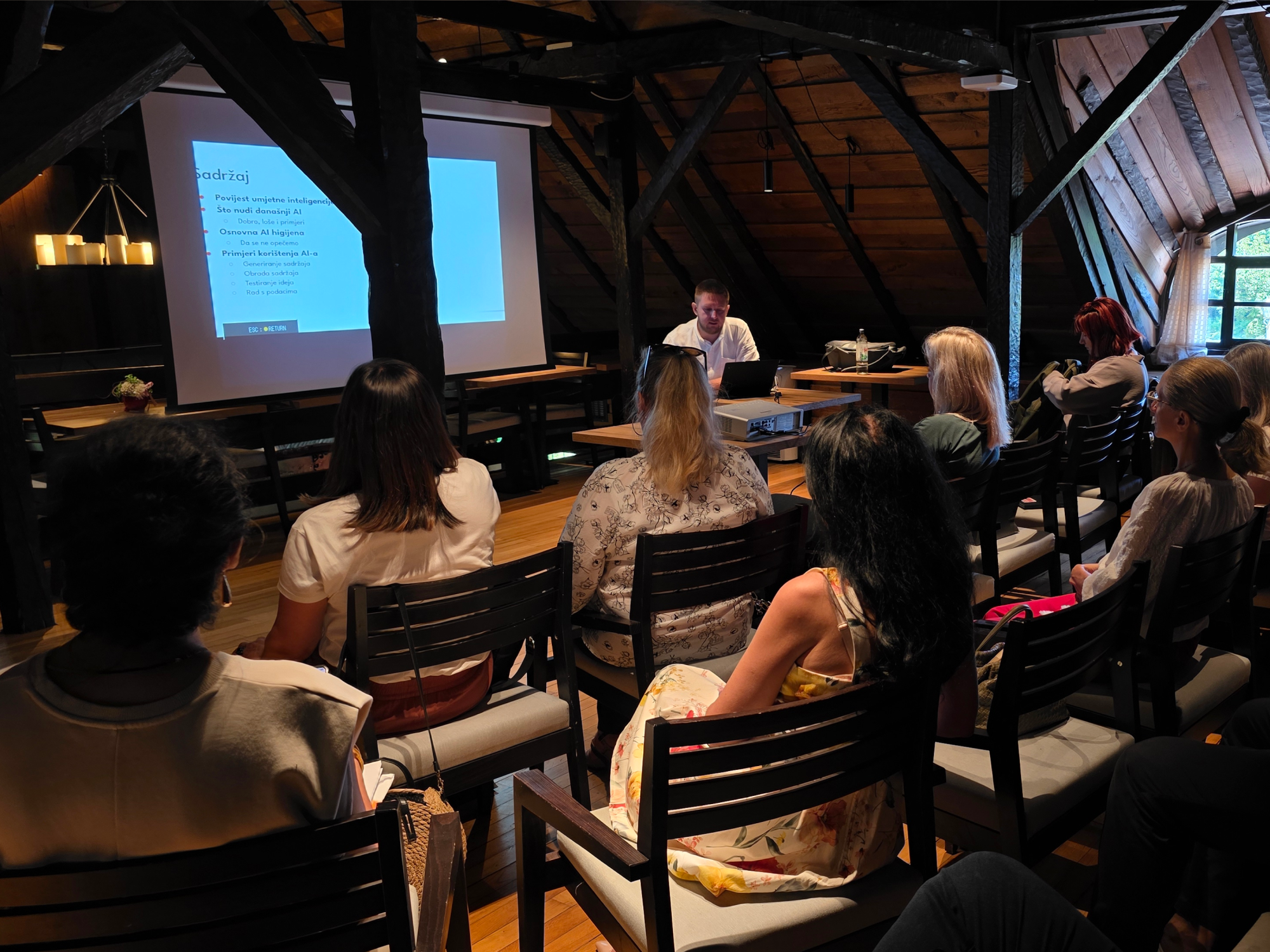
Just before the summer break, we met with our client Podravka in Koprivnica for a workshop around the topic hotter than the July sun – AI.
Every day there are countless posts and articles about AI. New features, prompts, shortcuts, and the next “big thing” appear constantly. It moves fast, the market is crowded and keeping up can feel overwhelming. That is why it helps to step back and return to the basics: what AI is and what it can and cannot do.
So that’s what we did.
02 understand
Thinking…
The workshop focused on understanding how generative AI models work. Behind the marketing language that says “thinking” is a simpler mechanism: these models are trained to predict the next likely piece of content based on patterns learned from large amounts of data. They do not reason like humans and they do not understand context in the same way a person does. They generate what is statistically most likely to come next.
That is why they can sound confident while making mistakes, inventing details, or missing the bigger picture. It is not human thinking. It is fast prediction.
03 adapt
So what do we do with that?
The answer is not to use AI everywhere, or to treat it like a replacement for thinking. It is most useful on tasks where fast prediction is enough: answering questions, editing text, translating, summarising, testing ideas, simple coding, or analysing content we already have. In those cases, it can save time and help us look at things from another angle.
But the real value comes from keeping the human part in place.
AI can help us explore options, challenge assumptions and check whether something makes sense. It can be a useful second pair of eyes, but it should not make the strategic decisions for us. The moment we let it do that, we stop using it well.

Safe to generate
That also means being careful about how AI is used in a business setting. When company data is involved, it is important to know what licence the tool uses and whether that data may be used for training. Business licences matter because they give more control and create a safer environment for sensitive work.
And that is probably the main lesson. AI is helpful when it supports our judgment, not when it replaces it. It works best when we use it with clear intent, enough context, and a good dose of common sense.
It is not a race to use everything at once. It is about staying thoughtful, choosing the right tools, and keeping what remains useful once the noise clears.